Backend Architectures Driving Real-Time Reward Allocation Across Integrated Casino Platforms
Harper Otto · Aug 22, 2026
Backend Architectures Driving Real-Time Reward Allocation Across Integrated Casino Platforms
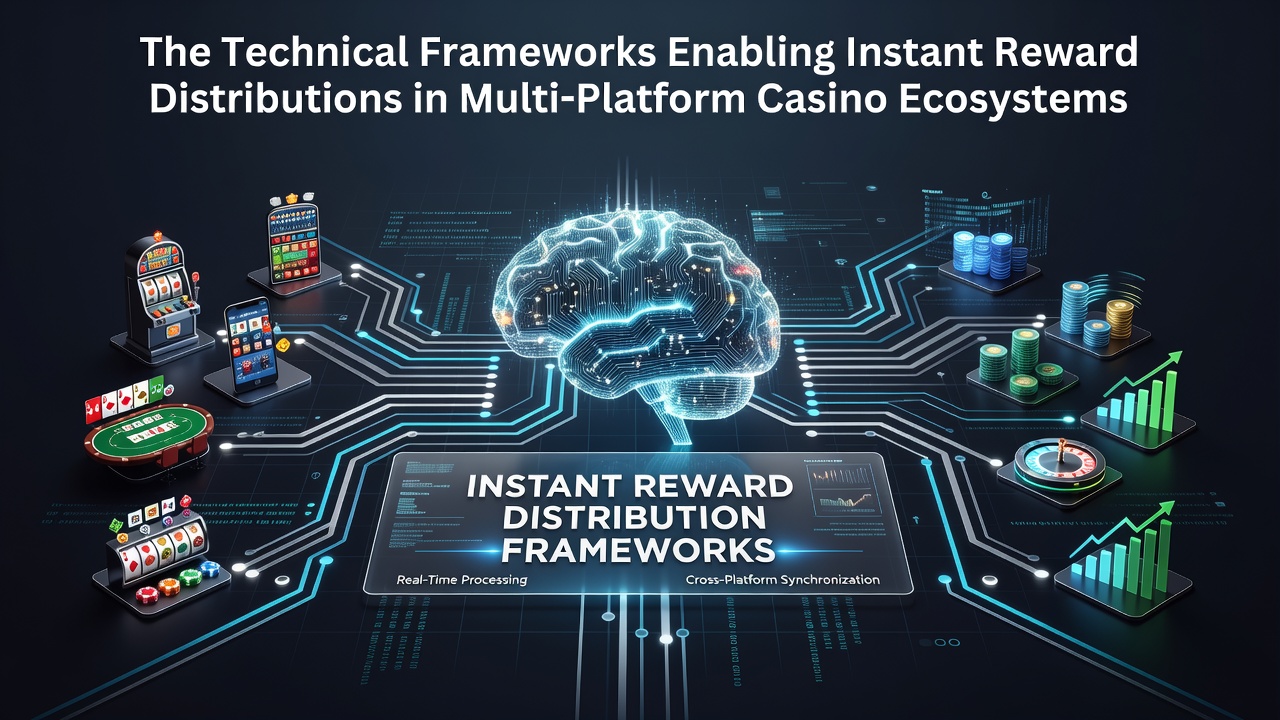
Multi-platform casino operations rely on layered technical frameworks that synchronize user accounts, process transactions, and deliver rewards without delay across desktop, mobile, and live environments. These systems combine application programming interfaces with microservice designs so that a single action on one platform updates balances everywhere else in seconds. Data centers equipped with high-throughput databases handle the volume while maintaining consistency through event-driven architectures.
Core API Layers and Microservice Coordination
Developers structure casino ecosystems around RESTful and GraphQL endpoints that connect front-end applications to back-end processors, and these endpoints manage authentication, balance checks, and reward triggers as unified calls. Microservices break down functions such as bonus validation and payout execution into independent modules that scale separately during peak hours. Observers note that this separation reduces latency because each service communicates through message queues rather than direct database hits, which keeps reward notifications appearing almost instantly on user screens.
Load balancers distribute incoming requests across server clusters while container orchestration tools like Kubernetes maintain uptime by shifting workloads automatically when demand spikes. Real-time data streams feed into analytics engines that calculate eligibility for promotions based on play history, and the results flow back through the same API channels to trigger instant credits or free spins. Studies from industry groups indicate that platforms using these coordinated layers achieve sub-second response times for most reward events.
Distributed Ledger Options and Transaction Finality
Some operators incorporate permissioned blockchain networks to record reward distributions in immutable logs that multiple platforms can verify without a central authority. Smart contracts execute predefined conditions for bonus releases once transaction data meets consensus rules, which eliminates manual review steps. Researchers have documented cases where such ledgers cut settlement times from minutes to milliseconds when integrated with traditional payment rails.
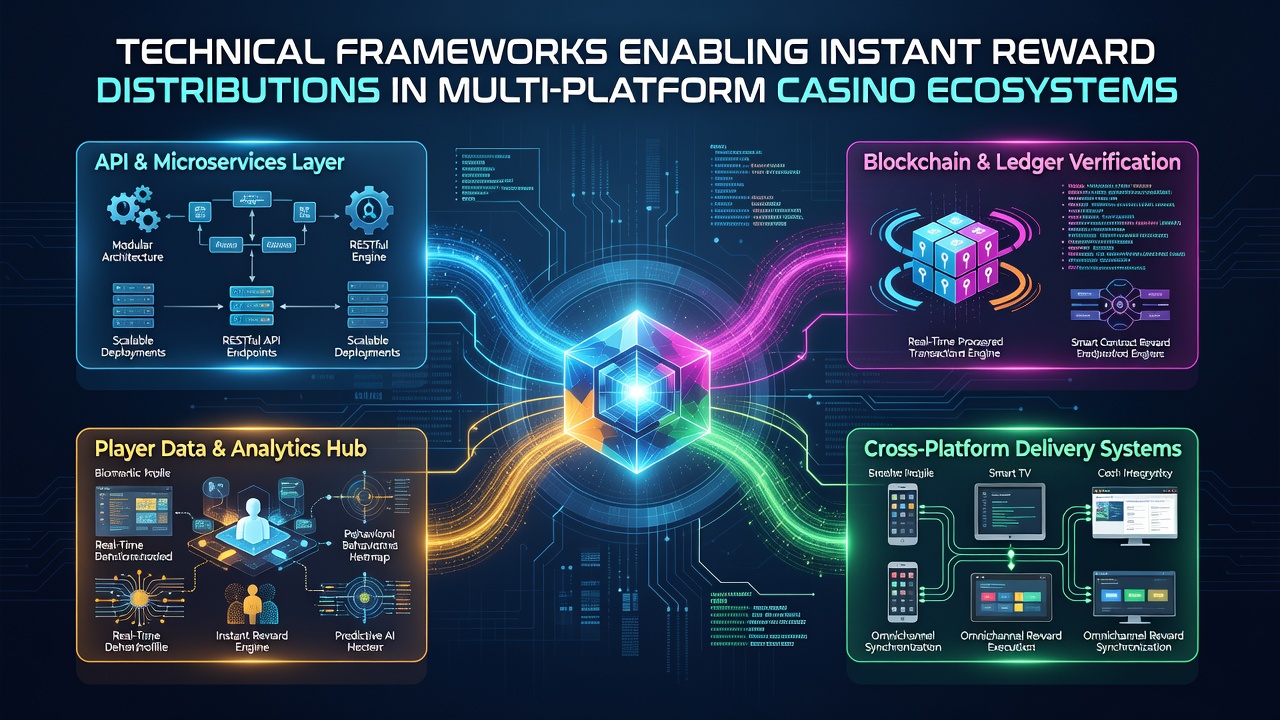
Hybrid models combine on-chain verification for high-value rewards with off-chain processing for smaller daily bonuses, and this approach balances speed with regulatory audit requirements. In August 2026 several testing environments expanded their use of side-chain solutions to handle increased cross-platform traffic while preserving data privacy standards. Figures from the European Gaming and Betting Association show rising adoption rates for these hybrid setups among operators managing multi-jurisdiction portfolios.
Cloud Infrastructure and Edge Computing Support
Cloud providers supply the elastic compute resources that scale reward engines during promotional events, and edge nodes positioned near regional data centers further reduce round-trip times for mobile users. Database replication across availability zones ensures that a reward issued in one region appears immediately on accounts accessed from another continent. Technicians configure caching layers to store frequently accessed user profiles so that eligibility checks bypass full database queries.
Monitoring suites track metrics such as queue depth and processing latency, which allows automated adjustments before delays affect players. Those who maintain these systems report that predictive scaling algorithms anticipate traffic surges based on historical patterns, keeping reward distributions stable even when thousands of simultaneous claims occur. A report from the American Gaming Association highlights how these cloud-edge combinations support compliance logging without adding noticeable overhead to transaction speeds.
Security Protocols and Compliance Integration
Encryption standards protect data in transit between platforms while tokenization methods shield sensitive account details during reward processing. Fraud detection modules analyze transaction patterns in real time and flag anomalies before rewards finalize, yet they operate in parallel streams so legitimate claims remain unaffected. Regulatory frameworks in various regions require audit trails that these systems generate automatically through timestamped event logs.
Identity verification services integrate directly into the reward pipeline, confirming player status before any distribution occurs. This layered approach satisfies multiple licensing conditions without extending the time between action and reward delivery. Experts in systems architecture emphasize that continuous penetration testing and zero-trust network models maintain integrity across expanding platform counts.
Conclusion
The frameworks described above operate together to create environments where rewards reach users across devices with minimal friction. Continued refinement of API designs, ledger integrations, and cloud resources supports growth in multi-platform operations while meeting technical and regulatory demands. Data from ongoing implementations continues to guide incremental improvements that keep distribution times short even as ecosystem complexity increases.